

An analyst values the business after looking at the recent trend of the business and the company’s potential to earn profits. A going concern will be valued according to operational efficiency, market share, the ability to influence the market, technology advantages, and so on. It may be valued using the discounted cash flow (DCF) method, with the assumption of future profitability.
Key impacts

As part of this process, certain accounting measures must be taken to write down the value of the company on their financial reports. Companies may need to assess recoverability, leading to impairment write-downs if assets are unlikely to generate sufficient future cash flows. Under IFRS, IAS 36 mandates impairment tests when signs of impairment exist, potentially altering depreciation schedules and affecting present and future net income. A high debt-to-equity ratio, coupled with looming debt maturities, can strain financial resources. Companies with substantial short-term debt obligations may face challenges refinancing or rolling over debt, especially if credit markets tighten or credit ratings are downgraded. The value of a going concern is basically the ability of the business to earn future profits.
Communication with Stakeholders

A going concern opinion from an auditor expresses their belief that the company can meet its obligations as they come due in the normal course of business during this time frame. Identifying going concern issues involves analyzing various financial and operational indicators. Recurring operating losses, for example, erode a company’s capital base and hinder its ability to meet obligations. A company consistently reporting negative net income over several quarters may struggle to sustain operations.
Meet our team

Common indicators include a high debt-to-equity ratio, going concern declining sales or profits, negative cash flow, large losses, significant litigation, and a loss of key customers or suppliers. These factors suggest the company might face challenges meeting its obligations and maintaining profitability, making it less likely to be considered a going concern. Determining a company’s status as a going concern influences how certain expenses and assets are reported in financial statements.
- Explore how going concern value shapes financial analysis, impacts mergers, and influences accounting practices and intangible asset valuation.
- Companies may need to assess recoverability, leading to impairment write-downs if assets are unlikely to generate sufficient future cash flows.
- The concept is not clearly defined anywhere in the Generally Accepted Accounting Principles (GAAP), which leaves a considerable amount of interpretation regarding when an entity should report it.
- Management is responsible for assessing and communicating the company’s going concern status through accurate financial statements.
- Strategies might include diversifying revenue streams or renegotiating loan terms to enhance financial flexibility.
- In conclusion, understanding the definition and importance of going concern plays a crucial role in the financial reporting process.
Assessing Estimates in AU-C 540 Audits: Key Concepts & Procedures
KPMG explains how an entity’s management performs a going concern assessment and makes appropriate disclosures. Q&As, interpretive guidance and illustrative examples include insights into how continued economic uncertainty may affect going concern assessments. This latest edition includes illustrative application of going concern’s most significant complexities. The valuation of companies in need of restructuring values a company as a collection of assets, which serves ledger account as the basis of the liquidation value. By contrast, the going concern assumption is the opposite of assuming liquidation, which is defined as the process when a company’s operations are forced to a halt and its assets are sold to willing buyers for cash. Under GAAP standards, companies are required to disclose material information that enables their viewers – in particular, its shareholders, lenders, etc. – to understand the true financial health of the company.
- Clear and consistent messaging across financial reports, press releases, and investor calls is essential to prevent misinformation and reduce panic, which could worsen financial challenges.
- In summary, understanding the conditions that may lead to doubts about a company’s ability to continue as a going concern is essential for both businesses and investors alike.
- Valuing goodwill often involves advanced techniques like the multi-period excess earnings method (MPEEM), which attributes projected cash flows to intangible assets.
- This implies that the business generates enough cash flows to meet its financial obligations and maintain operations without being forced into bankruptcy or liquidation.
- This principle helps businesses maintain a more conservative approach to financial reporting, ensuring the timely recognition of revenue and assets while minimizing the need for asset revaluation.
Top Remote Accounting Freelancers: February 3, 2024
- The former implies ongoing business activity while the latter signals the end of a company’s existence.
- In such cases, the auditor is obligated to disclose these doubts and the reasons behind them in their audit report.
- Net cash from operating activities provides insight into whether a company generates sufficient cash from core operations.
- This section explores the process of restructuring a company that is not considered a going concern.
- External factors, such as economic downturns or industry-specific challenges, also influence going concern assessments.
- It assumes that the entity will continue to remain in business for the foreseeable future.
- This can help to maintain trust and reduce uncertainty among investors, customers, and creditors.
The Importance of Going Concern AssumptionFinancial reporting is significantly influenced by the going concern assumption. When a business is assumed to be a going concern, expenses and assets can be reported at their historical cost instead of being adjusted for current value. This approach results in more conservative financial statements that reflect the reality of the business’s operations during the reporting period, providing useful information for investors and stakeholders.
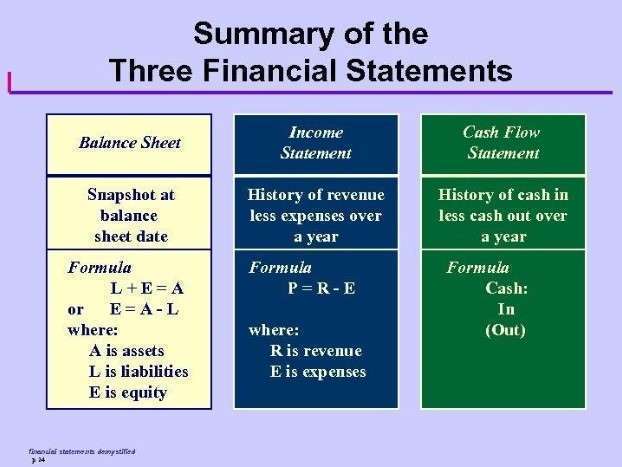
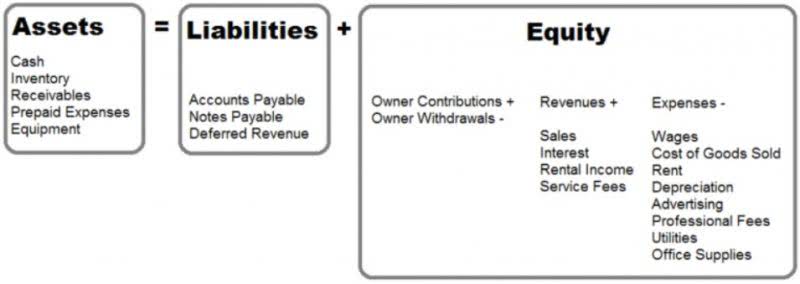
This credit crunch can extend to suppliers who might refuse to sell raw materials or inventory on credit. Financial Medical Billing Process restructuring is a common mitigation strategy, including renegotiating debt terms, securing financing, or divesting non-core assets to improve liquidity. Companies may also explore strategic partnerships or mergers to strengthen market position and operational efficiencies. Effective restructuring can alleviate immediate pressures and support long-term stability.
Distinctions from Liquidation Valuation
By scrutinizing these elements, auditors provide an objective evaluation of the company’s ability to continue as a going concern. Valuation in M&A transactions frequently employs discounted cash flow (DCF) models, which rely on the going concern assumption to project future cash flows. These models calculate the present value of anticipated cash flows, adjusted for risk factors, to provide a detailed valuation. Accurate projections are critical, as misjudging risks or overestimating growth can lead to flawed valuations.


